
Join or Die: Defeating Big Box
Recently, my husband and I took a trip to a small town not too far from our own (just far enough to be different and interesting), to celebrate our anniversary. We’re not big on travel or cities, so the close-knit small town experience was just what we were looking for, and the charm of this place did not disappoint—just touristy enough to have plenty of things to do, but not touristy enough to start feeling crowded and plastic. It was immediately clear upon arriving that we were leaving some element of the busy, modern world behind, though what that element was, we couldn’t quite put our finger on at first.
“We just want everybody to succeed, you know?”
The woman tending bar at the place we’d stopped in had invited us to look at their little back room brewery and was explaining why they had live music on Wednesdays but not Fridays or Saturdays, which was when we were there. Turned out, the other bars had music those nights and they didn’t want to compete. She wasn’t apologetic, and it was fine. In fact, live music might have made the bar too crowded and noisy to really see, and really seeing was what we’d come to town for, anyways.
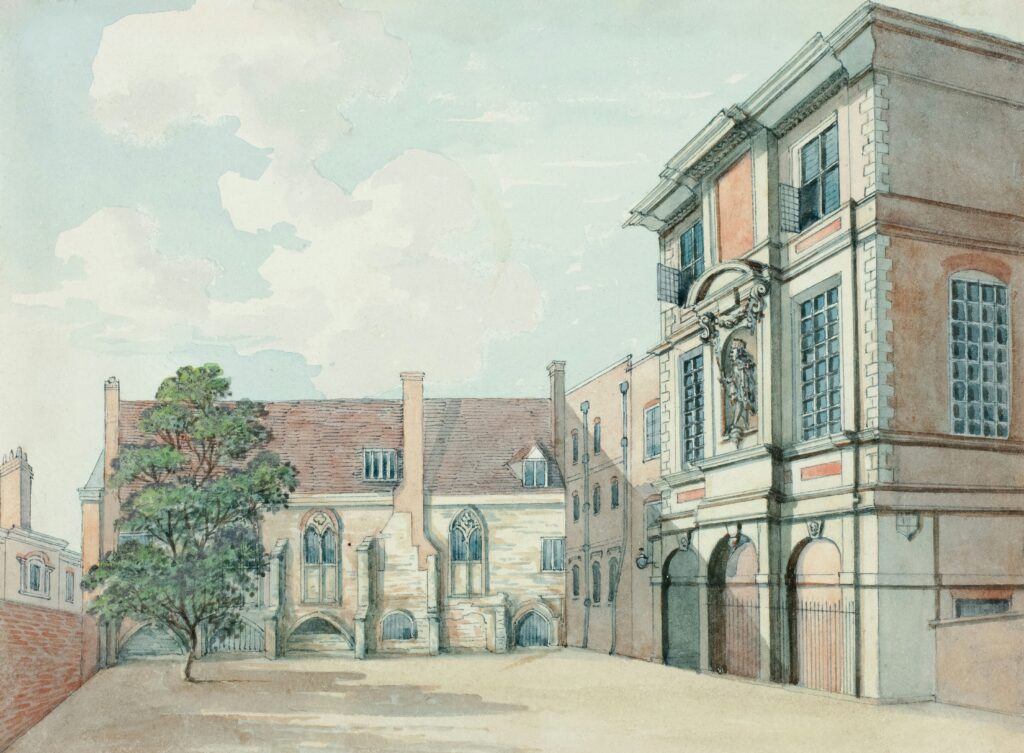
It was one of those little towns far off all the main roads—all the tourism is still basically local—and you could get around just fine without a car, so we parked ours and didn’t use it again until we left the following day. The bar was old. Brick and wood paneling that looked (and probably was, actually) Victorian. It’d been a bar since 1894. Only had four owners, she said. Apparently, the only time it wasn’t a bar officially, it was a bar unofficially, and Al Capone himself brought the booze up through the cellar from tunnels leading out to the river when he was on the run from the Feds.
When we sat back down at the bar, the woman handed us cards for at least two other businesses along the street where we were staying, telling us to check them out if we got the chance while we were in town (turned out, we’d already been to one, who had already told us about the other one). By the end of the evening, we’d become somewhat absorbed by the locals, which is why it was just fine there was no live music; this was the real point of bars like this in our book. They all had nothing but good to say about each other, and the sense of shared identity, history, community, and legacy was something that, if you could just bottle it, would probably cure the cancer of trashworld in a matter of hours.
Unfortunately, our stay in this magical otherworld (maybe an actual time capsule) was not nearly long enough to visit all of the places recommended to us, as the attitude at the bar was not unique; every business we stopped in was quick to pitch what the post-industrial modern world would assume to be their competition. But they did not view one another that way. Instead, it was their little borough against the Big Box Dystopia, and they knew that if they wanted to thrive, they needed each other. Self sufficiency? Rugged individualism? Something-something, bootstraps? Bunch of lies and nonsense.
We—especially Americans—have become so propagandized by these isolating notions that many of us cannot comprehend a world of localized commerce that isn’t a dog-eat-dog fight in the (apparently) impossible struggle for survival in the shadow of the nearest Walmart. In fact, as attractive as the idea may be, beating Big Box seems nothing but a pie in the sky. The leviathan is just too big.
But what if there was another way? What if local businesses didn’t have to struggle alone, or against their neighbors, but could instead join together in cooperation to hold their own, and perhaps even advance against the onslaught of cheap, heartless, China-made landfill packing peanuts? Our goal at The Lamppost Exchange is to provide precisely that alternative. We want every small town—every local community—to thrive in the way this place is, by creating a robust network of productive households allied as a bulwark to preserve our heritage and build a new legacy: one that doesn’t depend on global behemoths for survival.
It will take an army to defeat Big Box and revitalize our communities, but we believe it can happen, and we hope you’ll be a part of it. After all, we want everybody to succeed, you know?